Disa Plant
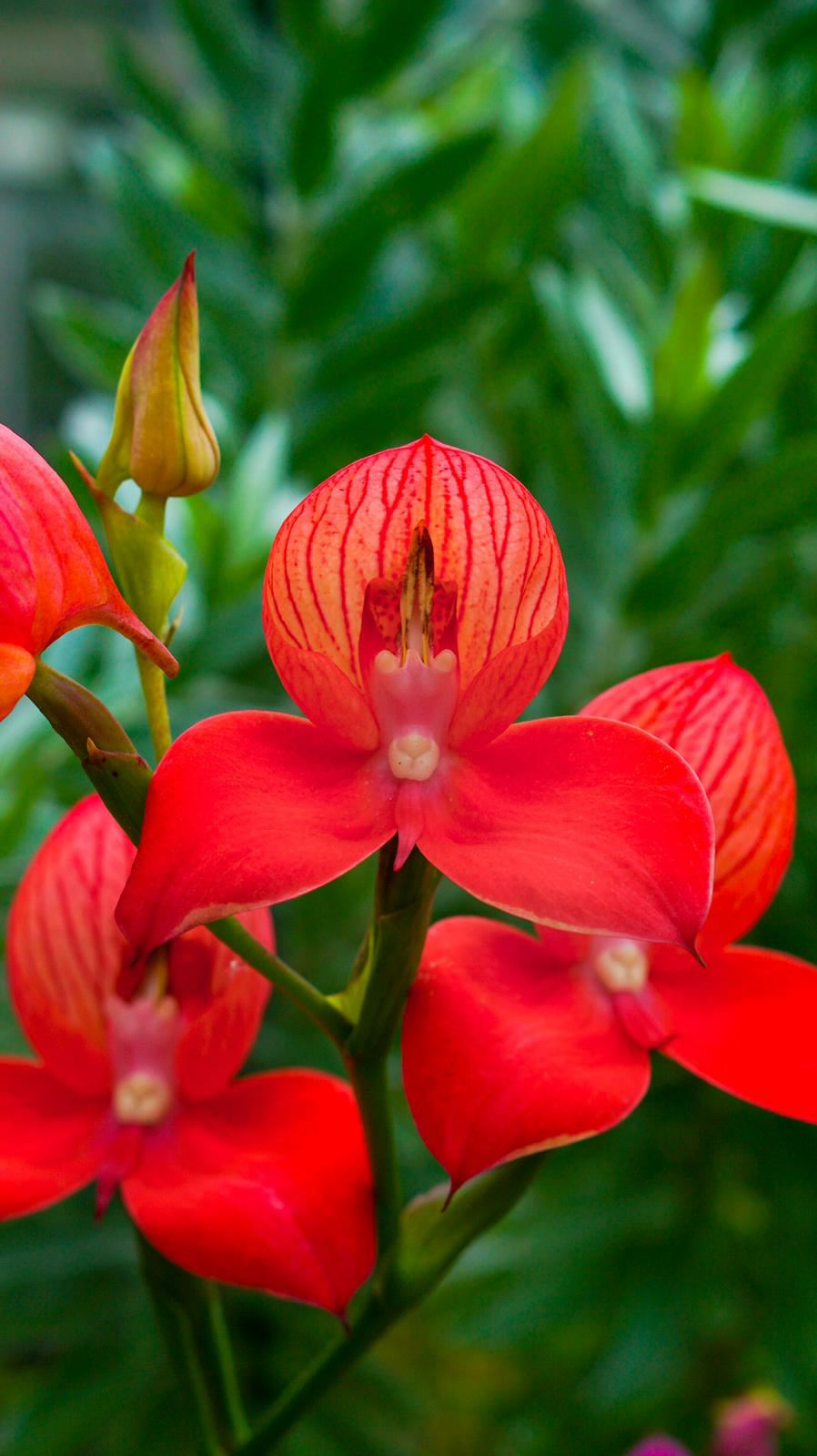
Did you know that the disa plant, also known as the red disa or bakkiesblom, is a beautiful and unique flowering plant that is native to South Africa and Zimbabwe? With its stunning deep red petals and intricate design, the disa plant is a captivating addition to any garden or floral arrangement.
Pain Points of Disa Plant
While the disa plant is a gorgeous addition to any garden, it can also be a bit of a challenge to grow. These plants require specific soil, light, and water conditions in order to thrive, and even then, they can be finicky and difficult to maintain. Additionally, disa plants are known to attract pests such as aphids and spider mites, which can quickly decimate a plant if left untreated.
Target of Disa Plant
Despite these challenges, the disa plant is a beloved and sought-after addition to many gardens and floral arrangements. Known for its beauty and uniqueness, the disa plant is often used as a statement flower in bouquets and other arrangements, and its striking appearance makes it a favorite among gardeners and flower enthusiasts alike.
Main Points about Disa Plant
In summary, the disa plant is a beautiful and unique flowering plant that is native to South Africa and Zimbabwe. While it can be a challenge to grow, the disa plant is a beloved and sought-after addition to many gardens and floral arrangements. With its striking appearance and intricate design, the disa plant is a true marvel of nature.
Disa Plant and Its Target
As an avid gardener, I have always been fascinated by the disa plant and its striking beauty. In fact, I first discovered the disa plant while visiting a botanical garden in South Africa, and was immediately captivated by its deep red petals and intricate design. Since then, I have made it a mission to learn more about this stunning plant and its care requirements.

Growing and Caring for Disa Plant
Despite its reputation as a finicky plant, growing and caring for a disa plant can be a rewarding experience for any gardener. To start, it is important to choose the right soil for your plant. Disa plants prefer a well-draining soil that is rich in organic matter, and they also require frequent watering and humid conditions in order to thrive.
In addition to proper soil and watering, disa plants also require the right amount of light. These plants typically prefer bright, indirect light, and should be placed near a window or outdoors in a location that receives partial shade. Finally, it is important to keep an eye out for pests such as aphids and spider mites, which can quickly infest and damage a disa plant if left untreated.
Disa Plant and Its Unique Design
One of the most fascinating things about the disa plant is its intricate and unique design. With its deep red petals and vibrant yellow center, this plant is truly a marvel of nature. In addition, the disa plant also has a specific type of pollination that is unique to its species. Rather than relying on bees or other insects for pollination, the disa plant is pollinated by a type of small fly known as the "disa fly". This is just one of the many fascinating things about this beautiful plant!
Disa Plant and Its Importance in Floristry
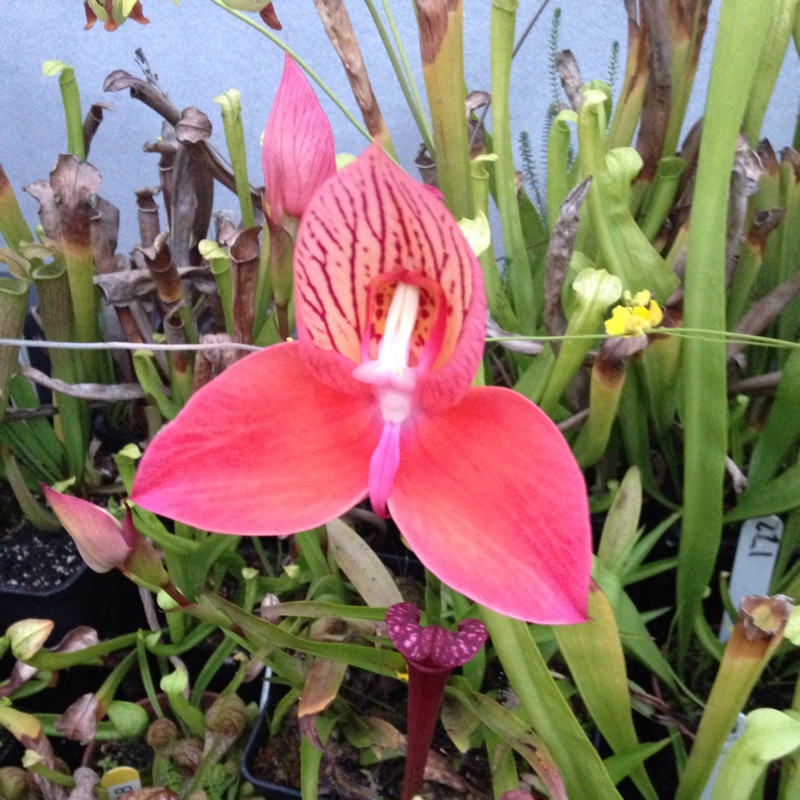
Aside from its natural beauty and uniqueness, the disa plant is also an important flower in the world of floristry. Known for its striking appearance and bold color, the disa plant is often used as a statement flower in bouquets and other floral arrangements. Its striking appearance and distinct design make it a favorite among florists and flower enthusiasts alike.

Question and Answer
Q: What is the meaning behind the disa plant's deep red color?
A: While the disa plant's deep red color is certainly striking, it does not have a specific symbolic meaning. Rather, the deep red color is simply a result of the pigments present in the plant's petals.
Q: Where is the best place to buy disa plants?
A: Disa plants can be difficult to find, but many nurseries and specialty plant shops carry them. Additionally, you can often find disa plants for sale online through various plant vendors and floral websites.
Q: Can disa plants be grown indoors?
A: While disa plants can technically be grown indoors, they prefer a humid, outdoor environment. If you are looking to grow a disa plant indoors, be sure to place it near a window that receives ample sunlight and provide plenty of humid conditions and watering.
Q: What is the optimum temperature range for growing disa plants?
A: Disa plants prefer warm, humid conditions and a temperature range of 65-85 degrees Fahrenheit. They can be grown in cooler temperatures, but may require additional care and monitoring in order to thrive.
Conclusion of Disa Plant
The disa plant is a stunning and unique flowering plant that is beloved by gardeners and flower enthusiasts alike. While it can be a challenge to grow, the disa plant's striking appearance and intricate design make it a true marvel of nature. Whether you are looking to grow your own disa plant or simply admire this beautiful flower from afar, the disa plant is sure to captivate your attention and inspire your love of all things botanical.
Gallery
Disa Uniflora - Bakkiesblom, Rooi Disa, Watervalblom, Flower Of The
Photo Credit by: bing.com / disa rooi pride flowered gods uniflora botanicus hortus amsterdam
Disa Uniflora, Disa Grandiflora Orchid In GardenTags Plant Encyclopedia
Photo Credit by: bing.com / disa uniflora
Disa Unifoam | Beautiful Orchids, Wonderful Flowers, Orchid Flower
Photo Credit by: bing.com / disa
Disa Fragrans - Plant In Situ Zimbabwe; Photo By Bart Wursten
Photo Credit by: bing.com /
Disa Uniflora Wiki
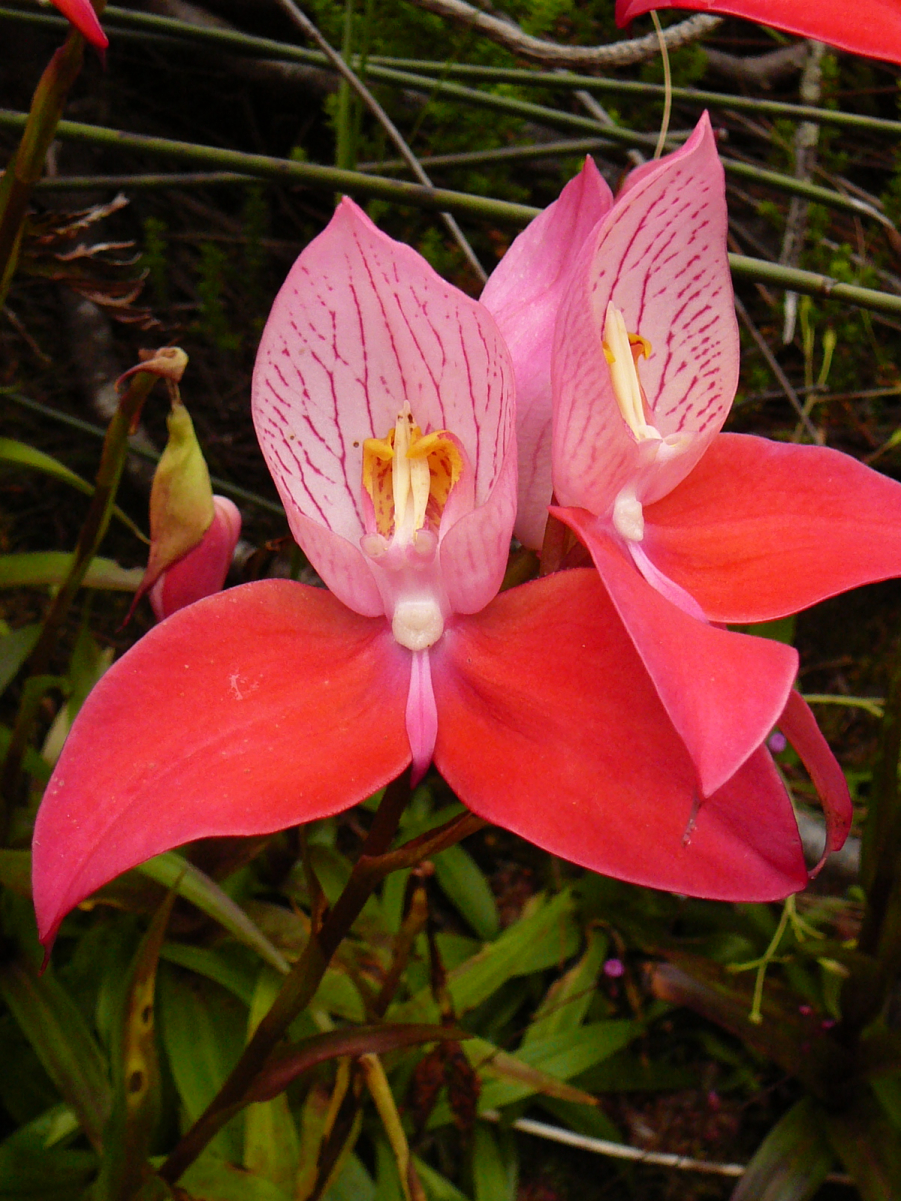
Photo Credit by: bing.com / disa uniflora orchid africa raine aqueduct hoa lưu