Kalanchoe Uniflora
Kalanchoe uniflora is a beautiful succulent that is easy to care for and adds a lovely touch of greenery to any space. Whether you're an experienced plant parent or just starting out, kalanchoe uniflora is a great choice for anyone looking to add some low-maintenance plant life to their home.
Pain Points
While kalanchoe uniflora is generally an easy plant to care for, it can suffer from a few issues if not given the proper attention. Overwatering is a common problem that can cause the plant to rot, and the leaves may turn yellow and drop if it's not receiving enough sunlight. Additionally, kalanchoes can be toxic to pets, so if you're a pet owner, be sure to keep it out of their reach.
The target of Kalanchoe Uniflora
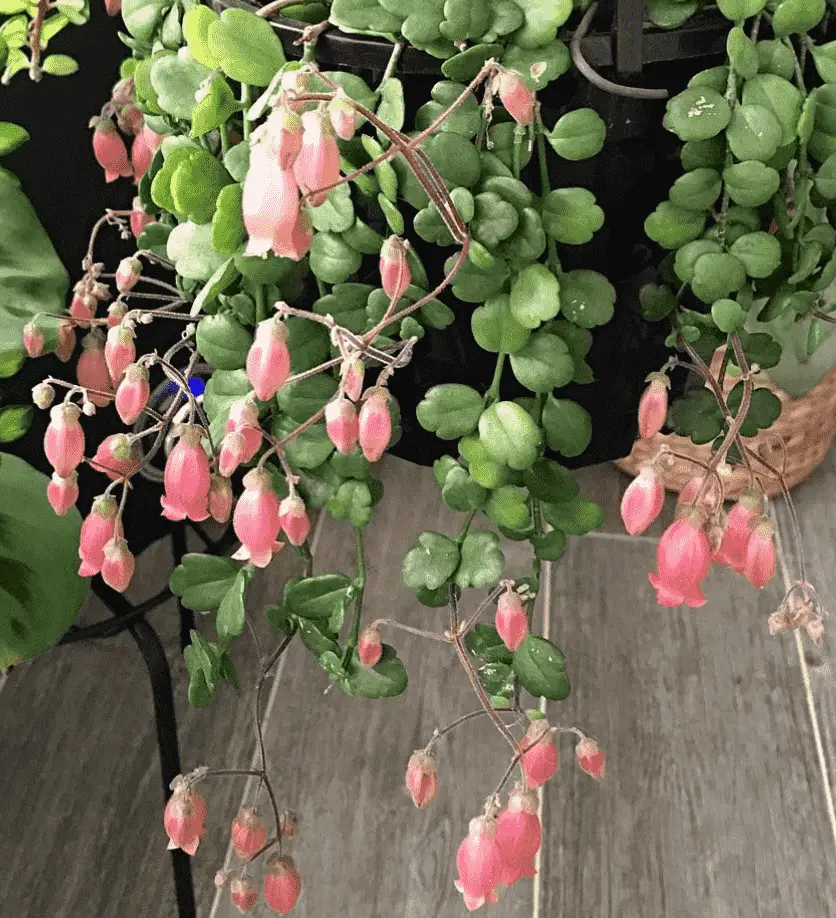
Kalanchoe uniflora is native to Madagascar and is also commonly known as "Coral Bells" due to the bright red-orange flowers that bloom on long stalks. This plant is a member of the Crassulaceae family, which includes other popular succulents like jade plants and aloe vera.
Summary of Main Points
Kalanchoe uniflora is an easy-to-care-for succulent that adds a lovely touch of greenery to any space. While it may suffer from issues like overwatering and inadequate sunlight, it's generally an easy plant to care for. This plant is native to Madagascar and is known for its bright red-orange flowers.
Kalanchoe Uniflora and Its Target
If you're looking for a succulent that's easy to care for and adds a pop of color to your home, kalanchoe uniflora is a great option. I personally love the bright orange-red flowers that bloom on this plant, which really stand out against the green foliage. This plant is perfect for anyone who wants a low-maintenance plant that still brings plenty of visual interest to their space.
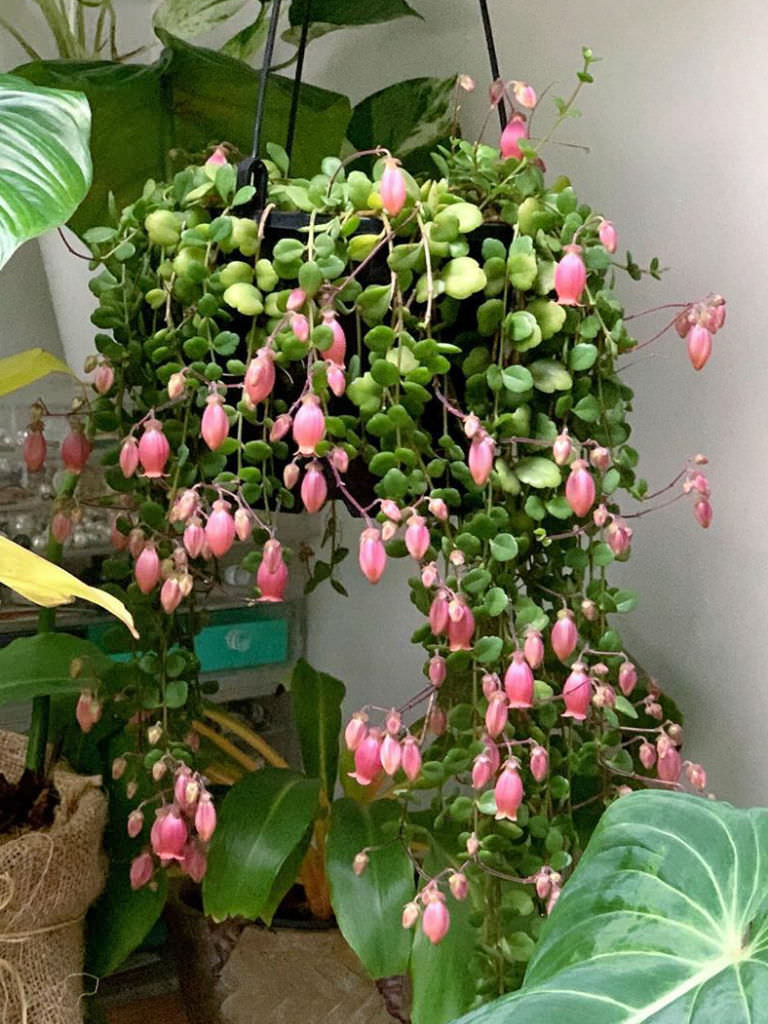
How to Care for Kalanchoe Uniflora
If you're planning on adding a kalanchoe uniflora to your plant collection, there are a few things you should keep in mind to ensure it thrives. First and foremost, be sure to plant it in well-draining soil and avoid overwatering - this plant is prone to root rot if its soil stays too wet. Additionally, kalanchoe uniflora prefers bright, indirect light, so be sure to place it near a window where it can get plenty of light without being in direct sun. And if you have pets, be sure to keep this plant out of their reach - like many succulents, kalanchoes can be toxic to dogs and cats if consumed.

Propagation of Kalanchoe Uniflora
Kalanchoe uniflora is generally easy to propagate from stem cuttings. To propagate your plant, simply take a stem cutting near the base of the plant and remove the lower leaves so that the remaining leaves are near the top of the stem. Allow the cutting to callus over for a few days, then plant it in well-draining soil and water it sparingly until it begins to establish roots.
Frequently Asked Questions
Q:
Can I keep my kalanchoe uniflora outside?
A:
Kalanchoe uniflora is best kept indoors in a bright, indirect light. If you do want to keep it outdoors, be sure to bring it inside during any periods of extreme heat or cold.
Q:
How often should I water my kalanchoe uniflora?
A:
Kalanchoe uniflora is a succulent and doesn't need to be watered as frequently as other plants. Allow the soil to dry out completely before watering, and be sure not to overwater - this can cause the plant to rot.
Q:
What kind of soil should I use for my kalanchoe uniflora?
A:
Kalanchoe uniflora prefers well-draining soil. You can use a commercial succulent soil mix, or make your own by adding sand or perlite to regular potting soil.
Q:
How often should I fertilize my kalanchoe uniflora?
A:
Kalanchoe uniflora doesn't need to be fertilized frequently, but you can use a balanced fertilizer once a month during the growing season (spring and summer) to encourage healthy growth.
Conclusion
Kalanchoe uniflora is a wonderful addition to any plant collection. With its bright orange-red flowers and easy-care nature, it's a great choice for both experienced plant parents and beginners. Just be sure to avoid overwatering and keep it out of reach of pets, and your kalanchoe uniflora should thrive for years to come.
Gallery
Kalanchoe Uniflora | Suculentas, Jardinagem, Folhagem
Photo Credit by: bing.com / kalanchoe
Kalanchoe Uniflora (Coral Bells) - World Of Succulents
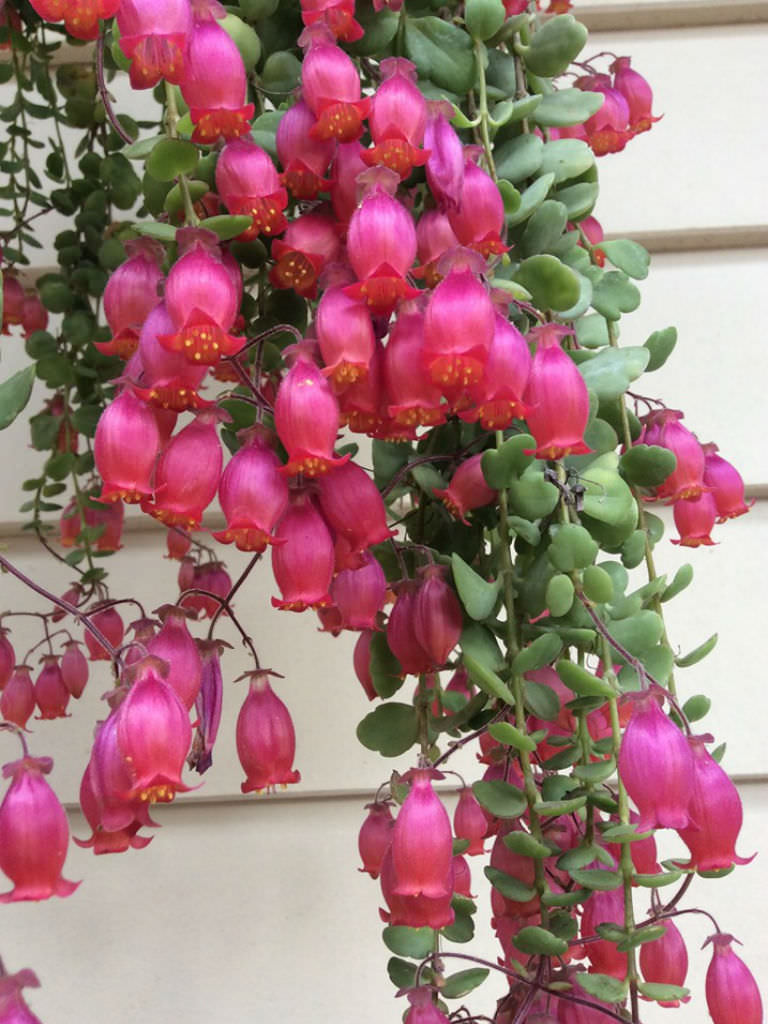
Photo Credit by: bing.com / kalanchoe uniflora coral bells kerry jarvis
Kalanchoe Uniflora 'Coral Bells' - Succulents Network
Photo Credit by: bing.com / kalanchoe uniflora bells
Kalanchoe Uniflora (Coral Bells) - World Of Succulents
Photo Credit by: bing.com / kalanchoe uniflora bells coral houseplants alivia visit succulents
Kalanchoe Uniflora (Coral Bells) - World Of Succulents
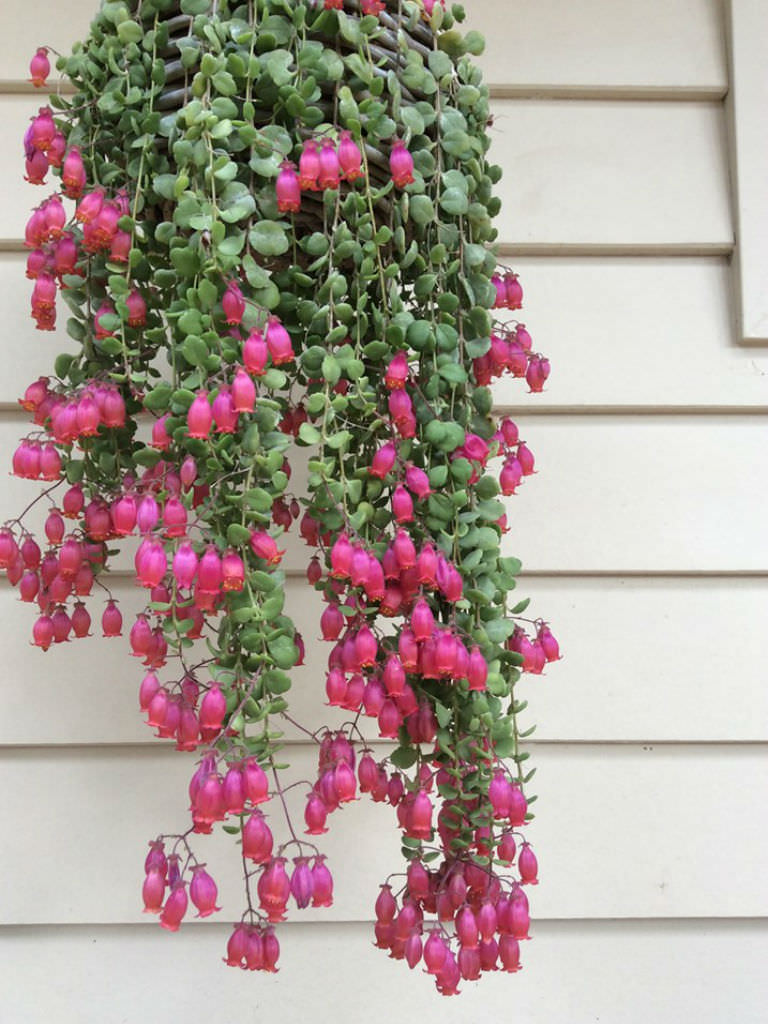
Photo Credit by: bing.com / kalanchoe uniflora coral bells worldofsucculents succulents flowering kerry jarvis