Do Pitcher Plants Go Dormant
Are you a fan of pitcher plants? Do you wonder if these plants go dormant? The answer is not simple, and it depends on many factors. In this article, we will explore in detail whether pitcher plants go dormant and what this means for their care.
Pain points related to do pitcher plants go dormant
Pitcher plants are unique and beautiful plants that require specific care to thrive. However, when it comes to dormancy, many plant owners are left confused and unsure how to proceed. Do you need to adjust watering or light conditions? Should you keep them in a cooler environment? Not understanding what dormancy means for these plants can lead to improper care, and eventually, plant loss.
Answer: Do pitcher plants go dormant?
Yes, pitcher plants do go dormant, but the extent of their dormancy can vary depending on the species and growing conditions. Dormancy is a natural process for many plants, and it allows them to conserve energy and survive harsh environmental conditions. During dormancy, pitcher plants can stop growing, lose older leaves, and appear dormant. However, it's important to note that not all pitcher plants will enter dormancy stage, and it is not required for their survival.
Summary of the article's main points
So, to summarize, pitcher plants can go dormant, but it can vary depending on species and growing conditions. Understanding the conditions needed for dormancy will help you take better care of your plants and ensure that they thrive.
What does dormancy mean for pitcher plants?
When plants go dormant, they slow down their growth, metabolism, and energy consumption. For pitcher plants, dormancy can be triggered by a change in temperature, light, or water availability. As a result, these plants can become less active and appear less lush, with their leaves turning brown or dying off. During dormancy, it's essential to adjust watering and light accordingly, as you do not want to overwater the plant or expose it to direct sunlight.
For me, this was one of the most challenging aspects of caring for my pitcher plant. When I noticed that my plant had entered dormancy, I wasn't sure how to proceed. I started by cutting back on watering but still kept the plant in a warm, sunny location. Unfortunately, this only caused the remaining leaves to die off. It wasn't until I researched and discovered the specific growing conditions needed for dormancy that I was finally able to revive my plant.
How to care for pitcher plants during dormancy?
Different species of pitcher plants may need different conditions to enter dormancy successfully. Some will require a drop in temperature, while others will benefit from lower light levels or less frequent watering. Before adjusting any factors, it's crucial to research the specific needs of your plant. In general, here are some tips for taking care of pitcher plants during dormancy:
- Reduce watering frequency but do not let the soil dry out completely.
- Avoid fertilizing the plant during dormancy.
- Reduce light levels or move the plant to a cooler location.
- Place the plant in a location where it will not be disturbed, as movement can cause stress and delay the dormancy process.
Question and Answer
Q: How long does pitcher plants dormancy last?
A: The duration of dormancy can vary depending on species and growing conditions. Some pitcher plant species may only undergo a brief dormancy, while others may sleep for months at a time.
Q: Can pitcher plants survive without dormancy?
A: Yes, pitcher plants can survive without dormancy. Some species are not adapted to this process, and they can survive year-round without experiencing dormancy.
Q: What causes pitcher plant dormancy?
A: Pitcher plant dormancy can be triggered by different factors, including a change in temperature, light, or water availability. The exact conditions needed for dormancy can vary depending on the species of pitcher plant.
Q: Should I remove dead leaves from my pitcher plant during dormancy?
A: Yes, it's essential to remove any dead or dying leaves from your pitcher plant, as they can attract pests and diseases that can harm the plant. However, be careful not to damage or disturb any healthy leaves that the plant might need to survive.
Conclusion
Understanding whether pitcher plants go dormant is an essential aspect of caring for these unique plants. While not all species may need to undergo dormancy, it can be a natural process that allows the plant to conserve energy and survive harsh conditions. By understanding the specific needs of your plant and adjusting your care accordingly, you can help your pitcher plant thrive and flourish for years to come.
Gallery
Carnivorous Plant Dormancy In The Ask A Question Forum - Garden.org

Photo Credit by: bing.com / plant dormancy carnivorous garden ask question forum sarracenia bog gardens coming outside three they just
Why Do Plants Go Dormant In The Winter? - Dyck Arboretum
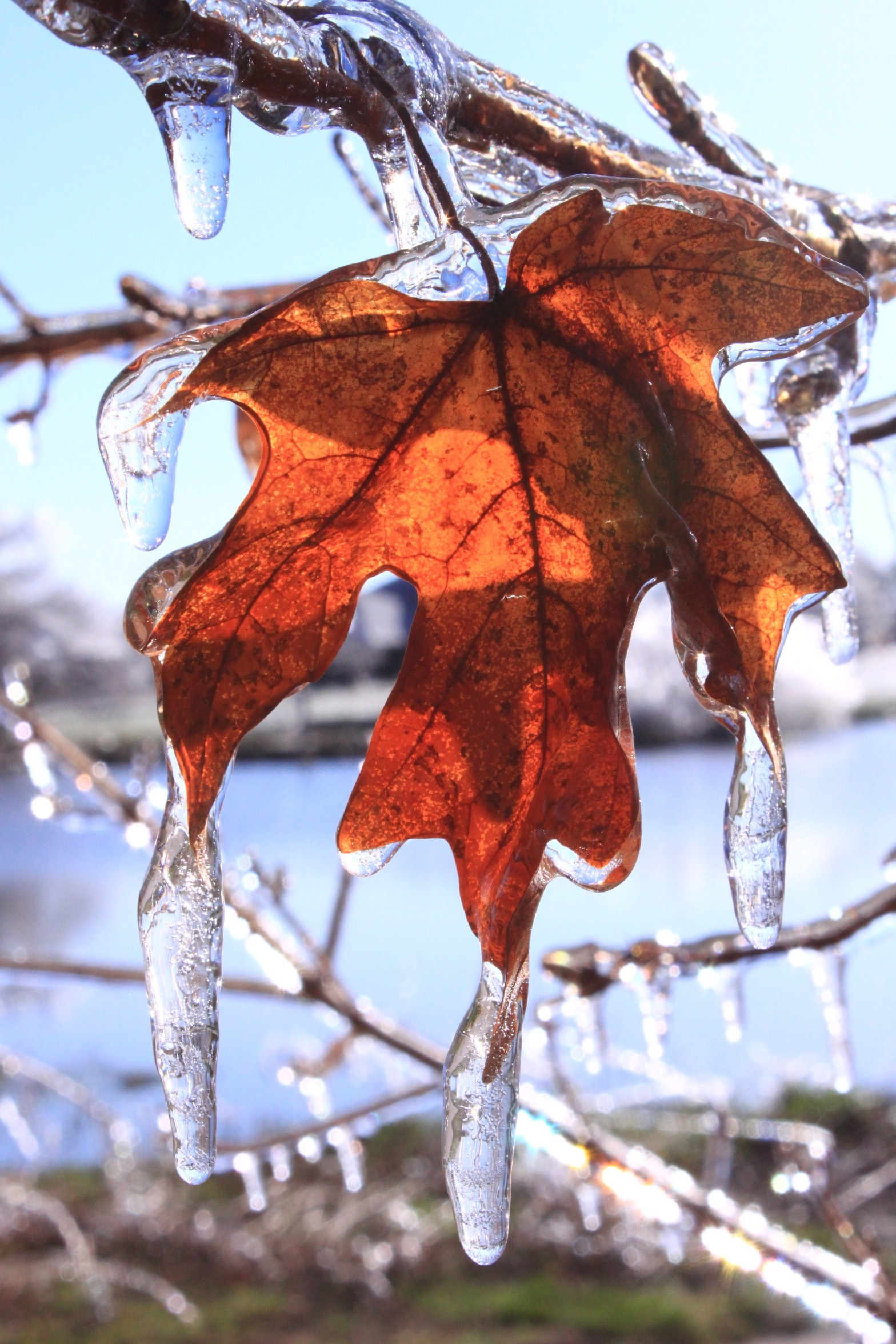
Photo Credit by: bing.com / dormant dormancy plants go why winter process dyckarboretum
Nepenthes Pitcher Plants Dormancy: Do Nepenthes Go Dormant?

Photo Credit by: bing.com / nepenthes dormancy dormant guide
Do Sundews Go Dormant? | Carnivorous Plants Tips

Photo Credit by: bing.com / sundews dormant go
Plant Dormancy - Making A Plant Go Dormant

Photo Credit by: bing.com / dormancy dormant understanding gardeningknowhow