Paph Maudiae
Paph maudiae, also known as the Queen of Paphs, is a stunning orchid that has captured the hearts of many plant enthusiasts. Its unique characteristics, vibrant colors, and easy care requirements make it a popular choice for both experienced and novice growers. But what makes this orchid so special, and what should you know before adding it to your collection?
Pain Points
One of the common pain points associated with growing paph maudiae is finding the right balance of moisture and light. These orchids prefer moderate to low light and require regular watering, but too much of either can lead to issues such as leaf burn, fungal growth, and root rot. Additionally, some varieties of paph maudiae can be quite expensive and challenging to find, making them a bit of a collector's item for orchid enthusiasts.
What is Paph Maudiae?
Paph maudiae is a species of slipper orchid that originates from Southeast Asia. It's named after Lady Maud Warrender, the wife of a governor in India during the early 1900s. These orchids are known for their large, showy blooms that come in a variety of colors, including pink, red, and yellow. They are a popular choice for indoor growing due to their low light requirements and relatively low maintenance care needs.
Main Points
When it comes to growing paph maudiae, there are a few key things to keep in mind. First, they prefer to be kept moist but not waterlogged. It's best to water them when the potting mix feels just slightly damp to the touch. Second, they prefer moderate to low light, so keep them out of direct sunlight. Finally, these orchids can be sensitive to cold temperatures and drafts, so be sure to keep them in a warm, stable environment.
Paph Maudiae Target
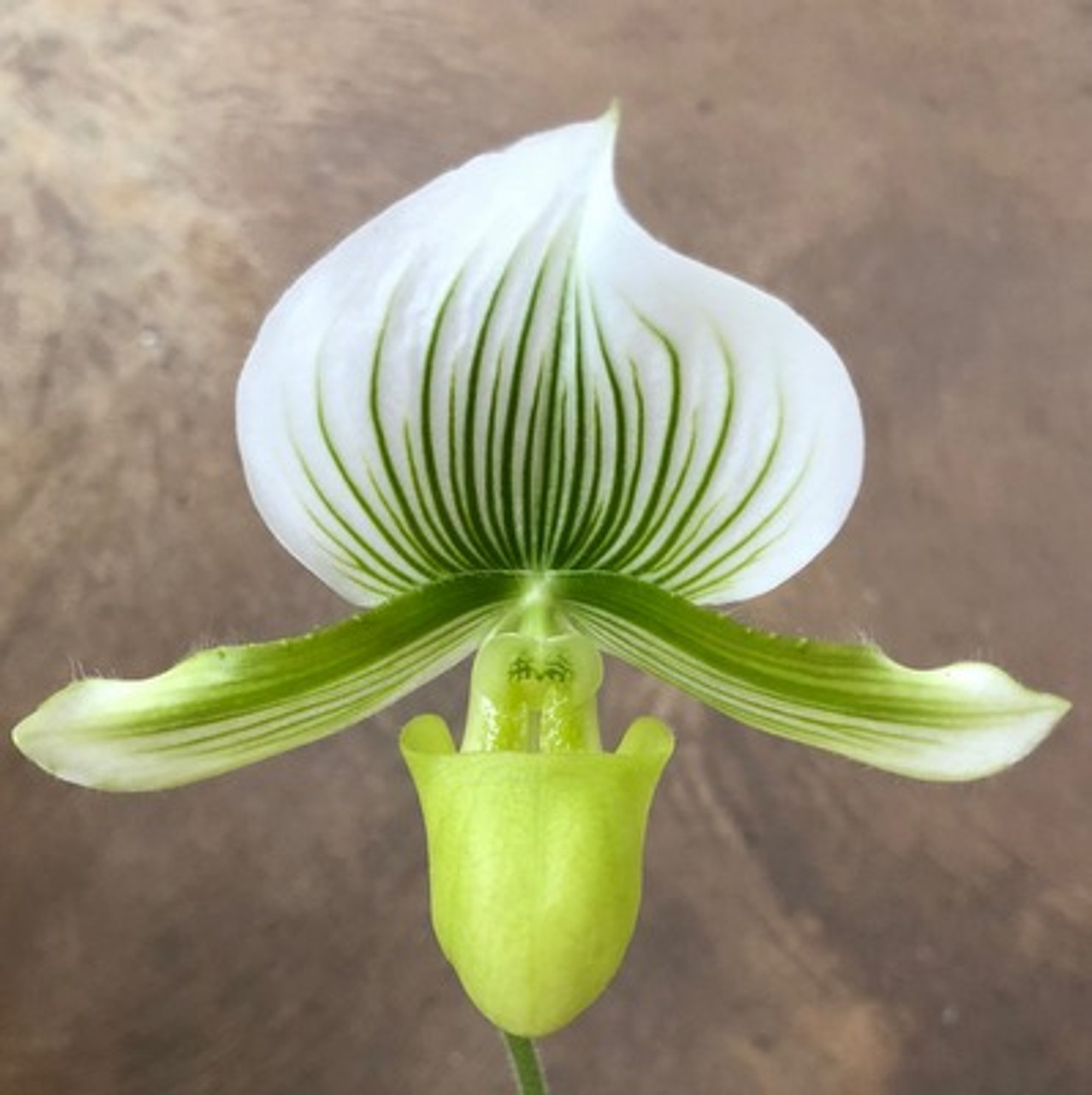
One variety of paph maudiae that is particularly sought after by collectors is the alba hybrid. This orchid features stunning white blooms with delicate green markings and is highly prized for its rarity and unique coloration. One personal experience with this orchid involved caring for a small alba hybrid that I found at a local orchid show. Despite its delicate appearance, this orchid proved to be quite resilient, growing and blooming beautifully with just a little bit of attention and care.

When it comes to caring for paph maudiae, it's important to remember that no two orchids are exactly alike. Each variety may have unique needs and preferences, so it's always a good idea to do your research and get to know your orchid before diving in.
Paph Maudiae and Repotting
One important aspect of caring for paph maudiae is repotting. These orchids should be repotted every year or two to ensure that they have fresh potting mix and enough growing space. When repotting, be sure to inspect the roots for signs of rot or damage and remove any dead or mushy roots before repotting. Additionally, be sure to choose a pot that is just slightly larger than the existing one to avoid overpotting.
Orchid Fertilizer and Paph Maudiae
Another important aspect of caring for paph maudiae is fertilization. These orchids benefit from regular feedings throughout the growing season using an orchid-specific fertilizer. It's best to err on the side of caution and use less rather than more fertilizer, as overfertilizing can lead to burned roots and damaged foliage. Many growers prefer to use a balanced, slow-release fertilizer applied in small doses every 1-2 months.
Question and Answer
Q:
What is the best potting mix for paph maudiae?
A:
Paph maudiae prefer a well-draining, moisture-retentive potting mix made up of materials such as sphagnum moss, bark, and perlite. Avoid using potting soils that contain high levels of peat, which can retain too much moisture and prevent proper root aeration.
Q:
How often should I water my paph maudiae?
A:
Paph maudiae prefer to be kept moist but not waterlogged. It's best to water them when the potting mix feels just slightly damp to the touch. Avoid letting the potting mix completely dry out, as this can cause the roots to die back and limit blooming.
Q:
Can I grow paph maudiae outside?
A:
Paph maudiae are typically grown indoors due to their low light requirements, but they can be grown outdoors in mild climates as long as they are protected from direct sunlight and cold temperatures. Some growers choose to grow their paph maudiae in a shaded greenhouse or polytunnel to give them the best of both worlds.
Q:
How do I know if my paph maudiae needs repotting?
A:
The best way to determine if your paph maudiae needs repotting is to inspect the roots. If the roots are growing out of the bottom of the pot or are tightly wound around the bottom of the pot, it's time to repot. Additionally, if the potting mix appears to be breaking down or is holding too much moisture, it's a good idea to repot.
Conclusion
Paph maudiae is a beautiful and rewarding orchid to grow, with its unique colors and delicate blooms. With a little bit of attention and care, these orchids can thrive for years and provide endless enjoyment for their owners. Whether you're a seasoned orchid collector or just starting out, paph maudiae is definitely worth considering for your collection.
Gallery
Paphiopedilum Maudiae Alba Hybrid
Photo Credit by: bing.com / maudiae paph bombotany paphiopedilum
Paph. Maudiae (Green & White) - Akatsuka Orchid Gardens
Photo Credit by: bing.com / paph maudiae akatsuka
Paph. Maudiae 'The Queen' AM/AOS (AKA 'Bankhaus') (callosum Album X

Photo Credit by: bing.com / maudiae album queen paph paphiopedilum callosum aos aka am plus
Assorted Paphiopedilum Maudiae (Vinicolor, Maroon) - BOMBOTANY

Photo Credit by: bing.com / paphiopedilum maudiae bombotany spike mottled vinicolor
Paph. Maudiae Type Var. Coloratum (Various Crosses) Many With Spotted

Photo Credit by: bing.com /