Rhaphidophora Decursiva Cutting
Rhaphidophora decursiva cutting is a popular way to propagate this evergreen, tropical plant. With its unique dragon tail-shaped leaves and easy-to-care-for nature, it's no wonder that many plant enthusiasts are interested in learning more about this process. In this article, we'll dive into the ins and outs of Rhaphidophora decursiva cutting, from pain points to personal experiences, and everything in between.
The Pain Points
Propagating plants can be a daunting task, especially if you're new to the process. With Rhaphidophora decursiva cutting, common pain points include getting the cuttings to root successfully and ensuring they have enough light and moisture to thrive. Additionally, finding the right type of soil can be tricky as Rhaphidophora decursiva prefers a well-draining mix that doesn't hold onto too much moisture.
Answering the Target of Rhaphidophora Decursiva Cutting
The target of Rhaphidophora Decursiva cutting is to propagate new plants from an existing mother plant. Cuttings are taken from the mother plant and encouraged to root and grow into new plants. This is a great way to expand your Rhaphidophora Decursiva collection or share them with others.
Summary of Main Points
We've covered the pain points associated with Rhaphidophora decursiva cutting, as well as the target and purpose of the process. Now let's dive deeper into some personal experiences and tips for successful propagation.
Personal Experience with Rhaphidophora Decursiva Cutting
During my first attempt at Rhaphidophora decursiva cutting, I struggled to get the cuttings to root in water. They simply wouldn't take, no matter how many times I changed the water or how often I misted them. Eventually, I decided to try rooting them directly in soil, and that's when success finally came. Since then, I've learned that using a well-draining mix that's kept evenly moist can make all the difference when it comes to Rhaphidophora decursiva cutting.
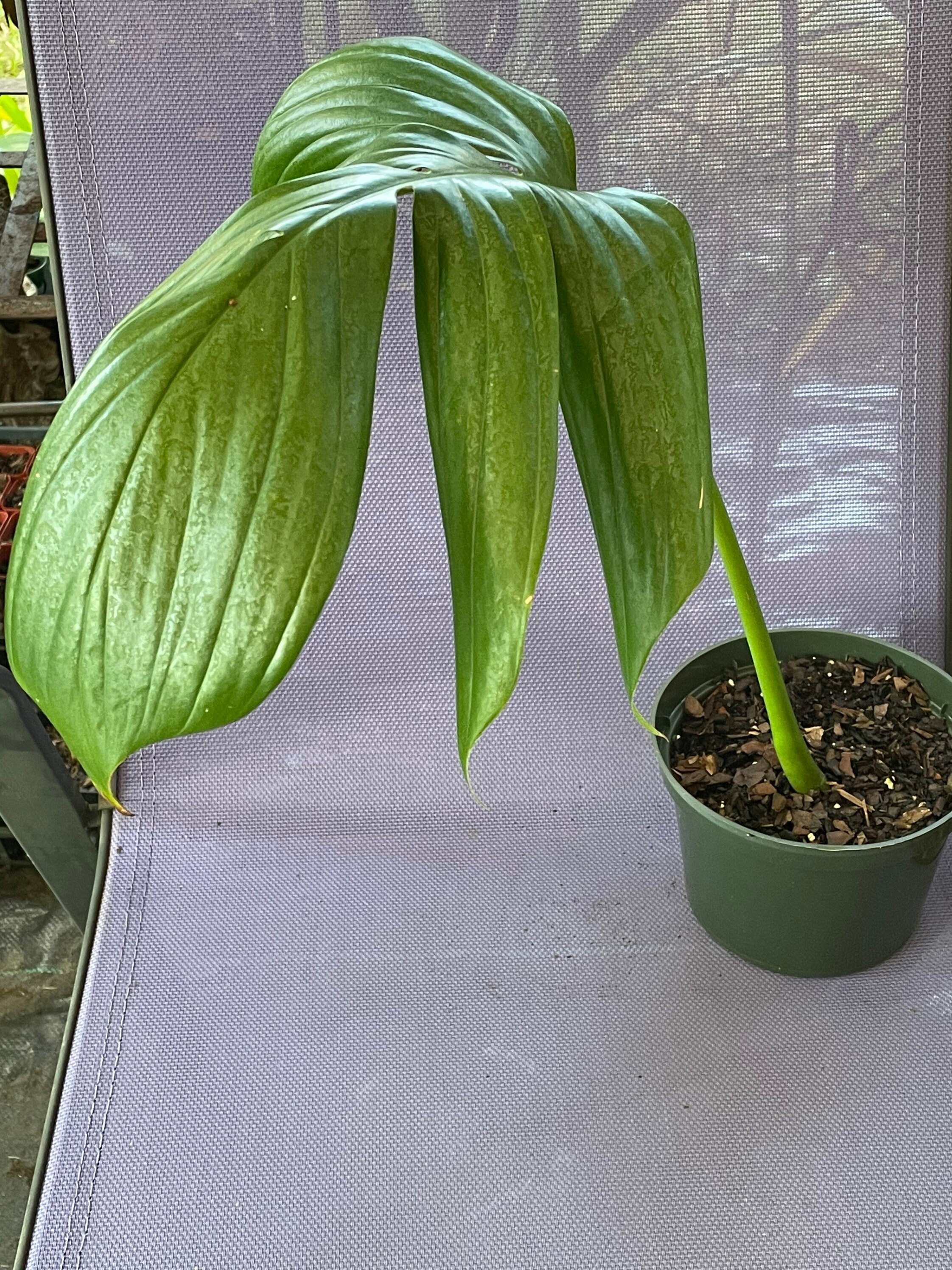
Tips for Successful Rhaphidophora Decursiva Cutting
If you're looking to propagate your Rhaphidophora decursiva plant, there are several tips you can follow for success. First, select a healthy mother plant with several stems that can be cut into multiple cuttings. When taking cuttings, be sure to use clean, sharp scissors or pruners and aim for a stem with at least one or two nodes. Next, dip the cut end of the stem into rooting hormone, if desired, and plant it into a well-draining mix. Keep the soil moist but not waterlogged and place the cutting in bright, indirect light. With proper care and patience, your Rhaphidophora decursiva cutting should take root in a few weeks to a few months.
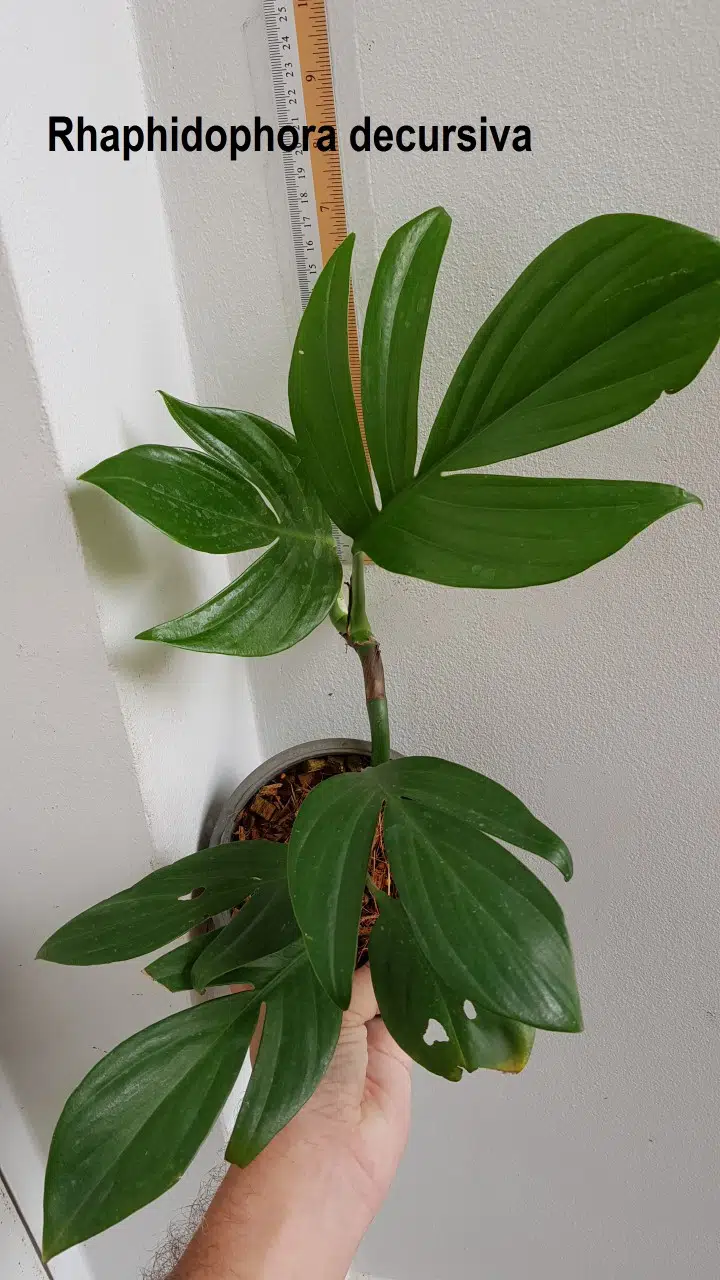
Going Deeper into Rhaphidophora Decursiva Cutting
Rhaphidophora decursiva cutting is a type of stem cutting that requires the use of a healthy mother plant. By taking cuttings from the mother plant and encouraging them to root and grow, you can propagate new Rhaphidophora decursiva plants. This process can be done in water or soil, but soil tends to be more successful. With proper care, including bright, indirect light and a well-draining soil mix, your Rhaphidophora decursiva cutting should take root and grow into a new, healthy plant.
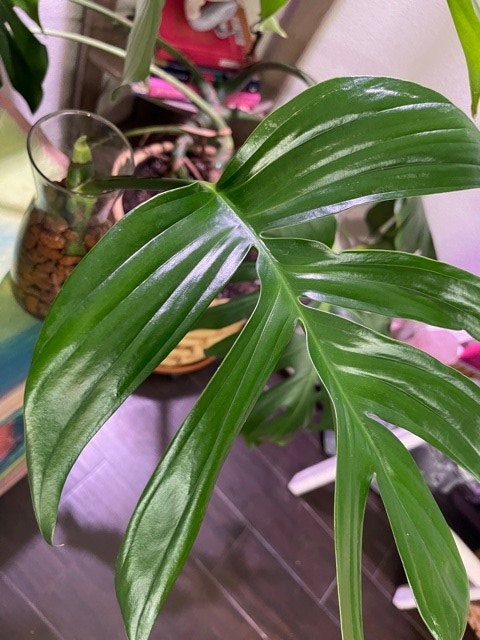
Question and Answer
Q: How long does it take for Rhaphidophora decursiva cutting to root?
A: It can take a few weeks to a few months for Rhaphidophora decursiva cuttings to root, depending on the method used and environmental conditions.
Q: What type of soil should I use for Rhaphidophora decursiva cutting?
A: Rhaphidophora decursiva prefers a well-draining soil mix that doesn't hold onto too much moisture. A mixture of peat moss, perlite, and coarse sand can work well for propagation.
Q: Can I propagate Rhaphidophora decursiva from a leaf?
A: No, Rhaphidophora decursiva cannot be propagated from a leaf alone. Stem cuttings with nodes are required for successful propagation.
Q: Should I use rooting hormone for Rhaphidophora decursiva cutting?
A: Using rooting hormone can increase the chances of successful rooting, but it's not necessary if you don't have access to it.
Conclusion of Rhaphidophora Decursiva Cutting
Rhaphidophora decursiva cutting is a rewarding and popular way to propagate this unique and easy-to-care-for plant. With proper care and patience, you can grow new Rhaphidophora decursiva plants from healthy mother plants, expanding your collection or sharing them with others. By following the tips and information outlined in this article, you can increase your chances of successful Rhaphidophora decursiva cutting.
Gallery
Rhaphidophora Decursiva Plant Care | The Giant Climber Care Guide
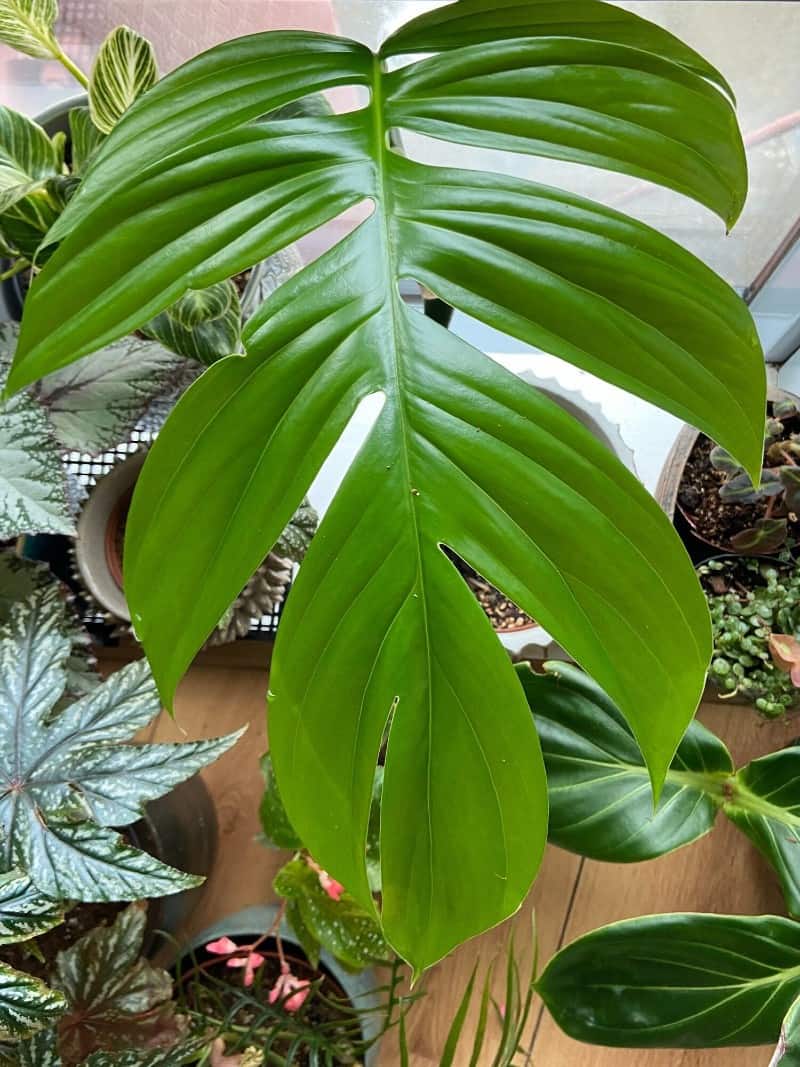
Photo Credit by: bing.com / rhaphidophora decursiva basics plantly
Rhaphidophora Decursiva Plant | Etsy
Photo Credit by: bing.com / decursiva rhaphidophora plant
Large Mature Rhaphidophora Decursiva Philodendron Cutting, "Dragon Tail
Photo Credit by: bing.com /
Rhaphidophora Decursiva Plant | Etsy
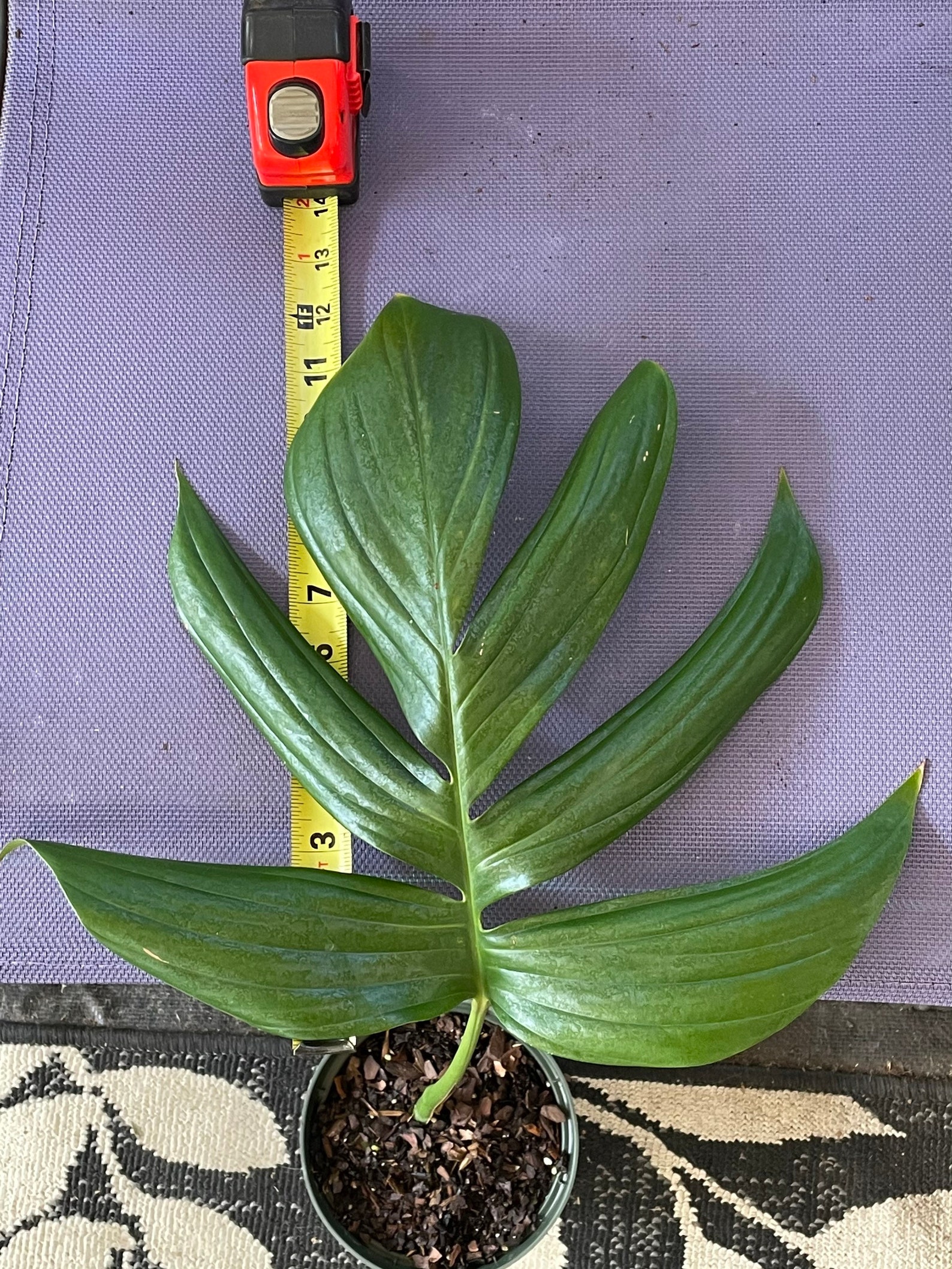
Photo Credit by: bing.com / rhaphidophora decursiva
Rhaphidophora Decursiva - Tropics @Home
Photo Credit by: bing.com / decursiva rhaphidophora aroids tropicsathome